Best Things to Do in Crete: A Practical Island Guide
Explore Crete’s essential experiences—from Minoan sites and Spinalonga to harbour towns, mountain landscapes, villages and food—with practical regional planning advice.
Crete is Greece’s largest island, and its strongest experiences are spread across four regional units and very different landscapes. A practical plan groups places by area instead of turning the holiday into repeated cross-island drives.
Use this guide as a starting point, then choose experiences that fit your accommodation, season and preferred pace.
Explore Knossos and Minoan Crete
Visit the Palace of Knossos near Heraklion, then continue to the Heraklion Archaeological Museum for the objects and frescoes that provide its wider context. Knossos is one of six Minoan palatial centres inscribed on the UNESCO World Heritage List in 2025.
Travelers with more time can also explore Phaistos, Malia or another palatial centre according to the region in which they are staying.
Spend time around Elounda and Mirabello Bay
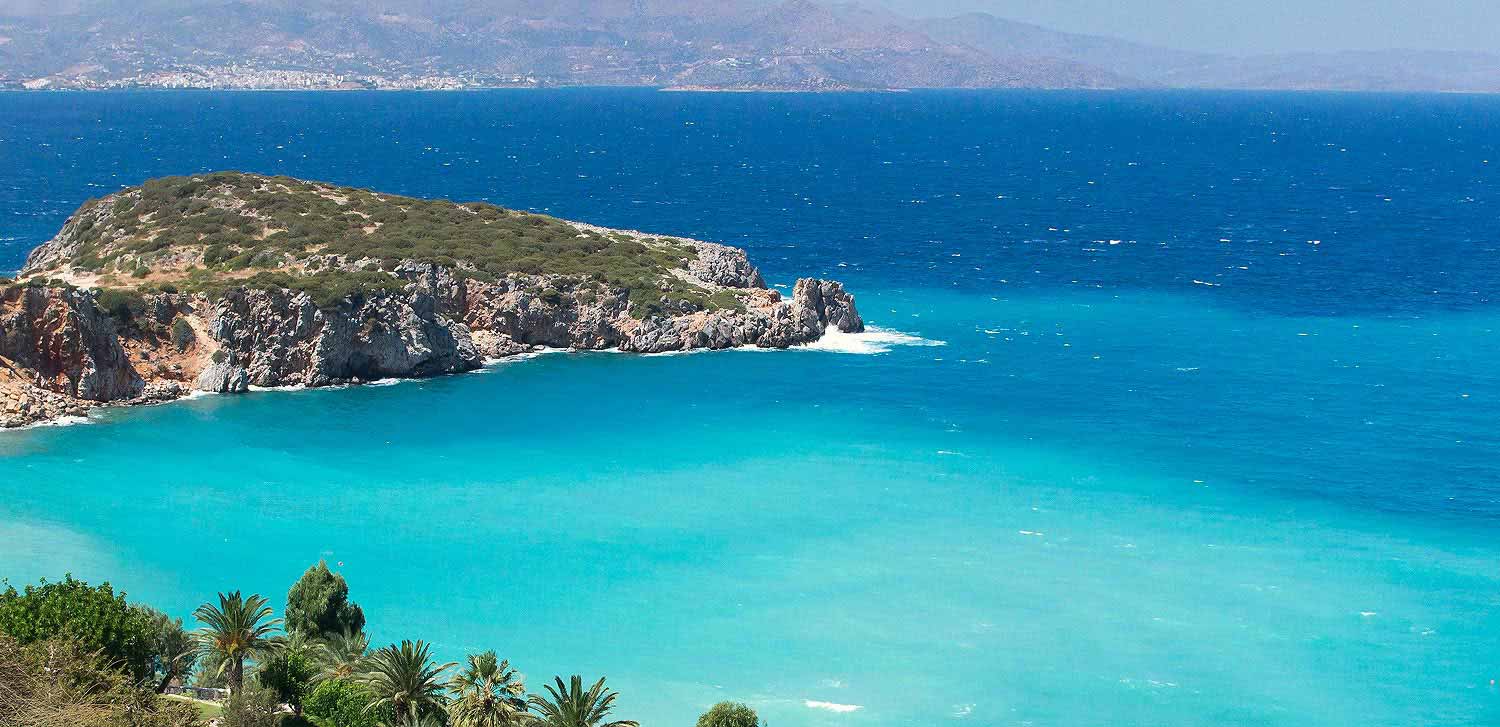
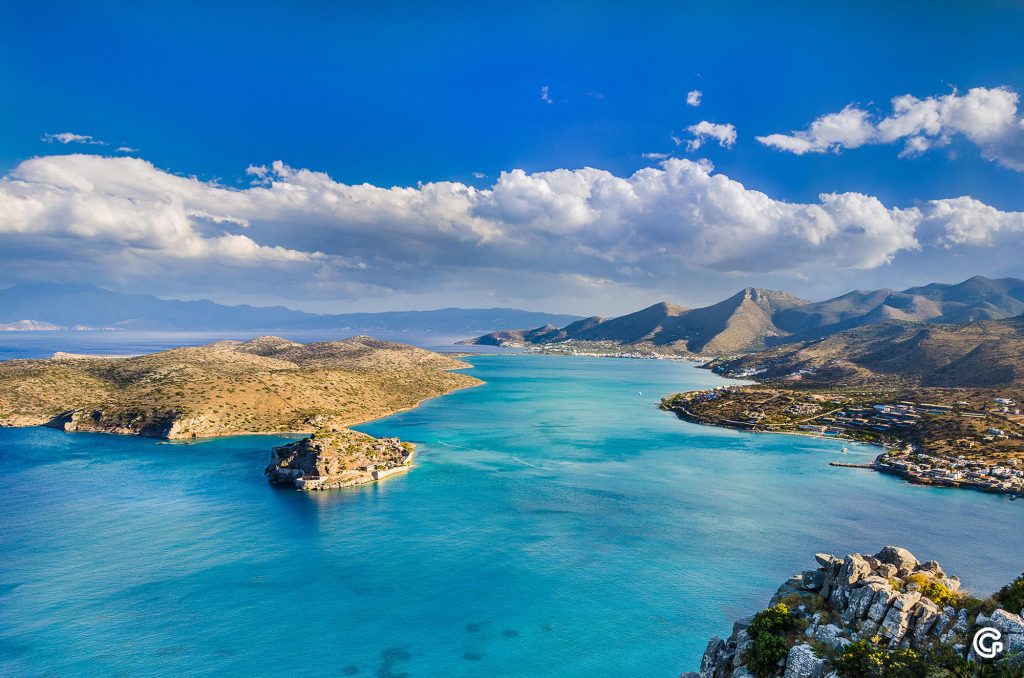
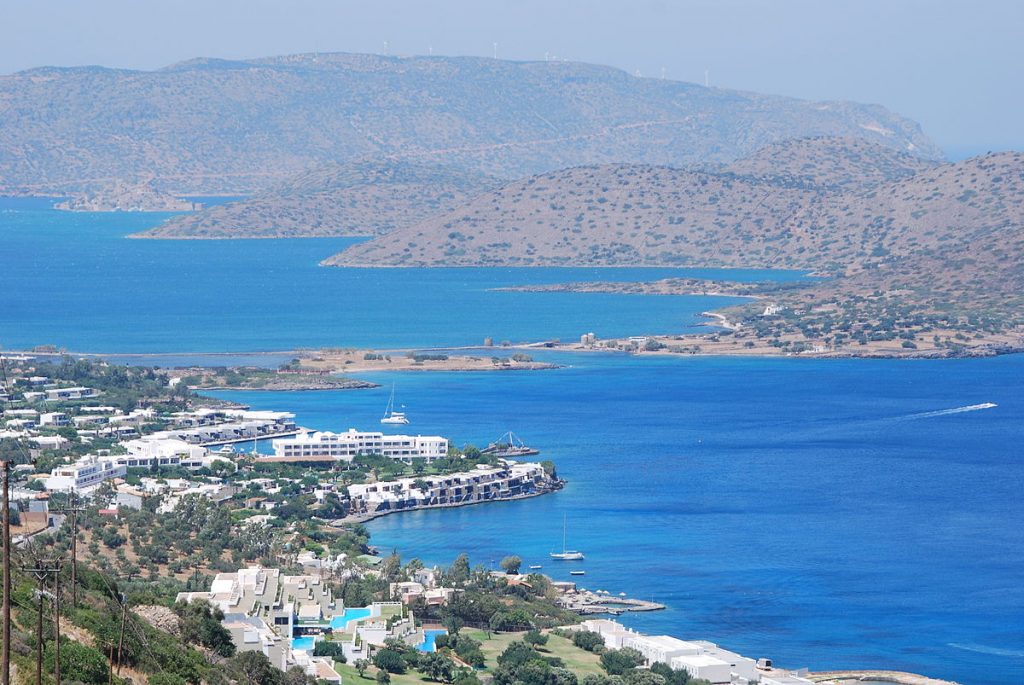
Elounda combines resort accommodation with easy access to Plaka, Spinalonga and the coastal road to Agios Nikolaos. The area is best experienced with time for the water, a meal and the changing views across Mirabello Bay.
Walk around Agios Nikolaos
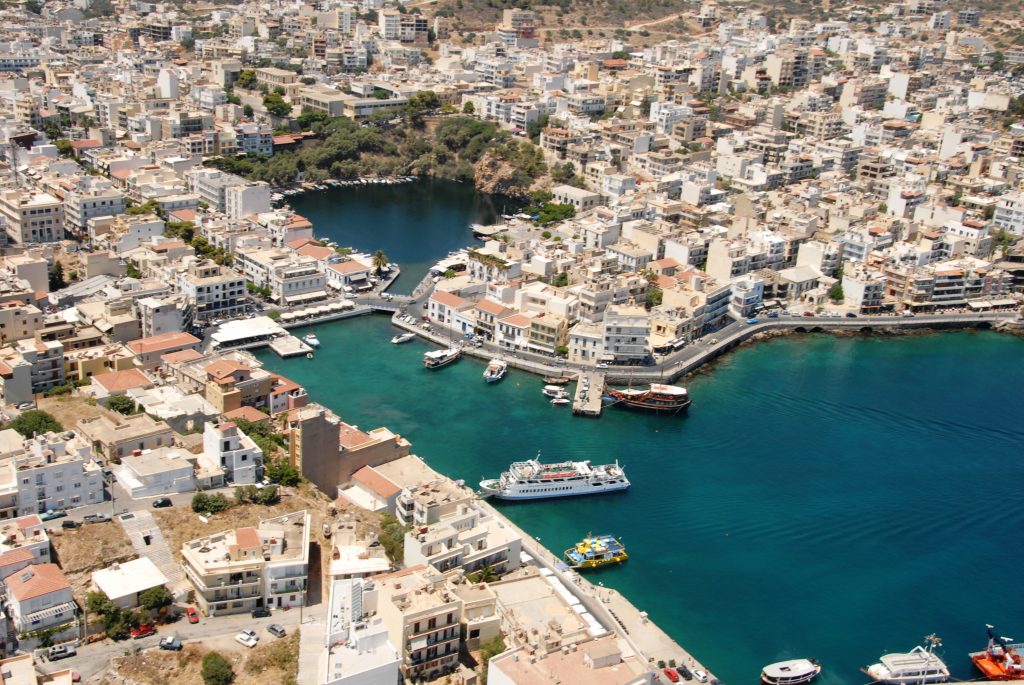
Lake Voulismeni, the marina and the town’s compact waterfront create an easy half-day. Agios Nikolaos also works as a base for Kritsa, Elounda and East Crete’s mountain routes.
Visit Spinalonga with enough time
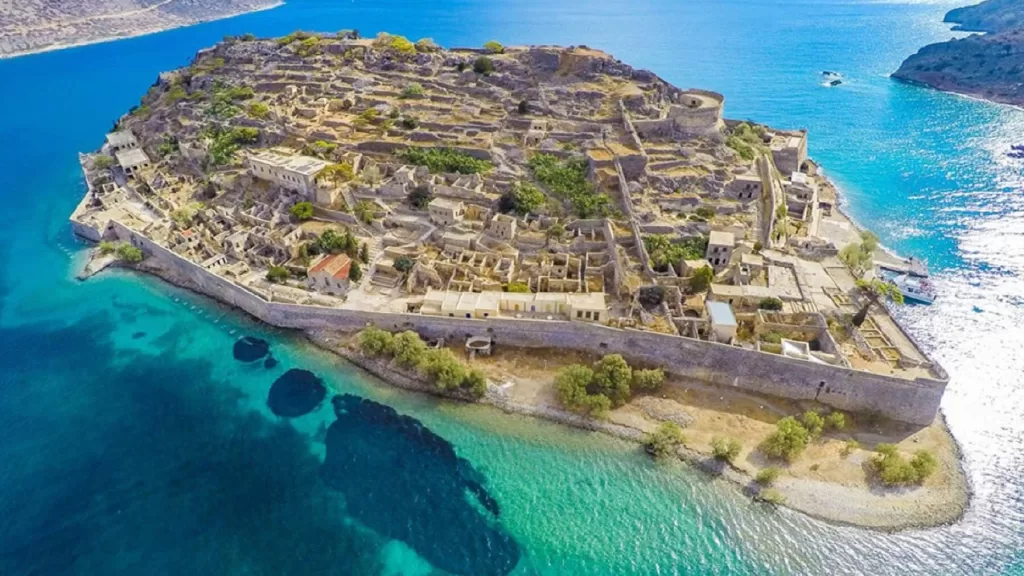
Take a boat from Plaka or Elounda according to the seasonal schedule. On the island, move beyond the entrance to understand the Venetian fortifications and the later community that lived there.
Spinalonga is on Greece’s UNESCO Tentative List, not currently on the World Heritage List.
Discover Rethymno and its inland region
Rethymno’s old town, harbour and Fortezza reflect centuries of Venetian and Ottoman influence. Inland, Arkadi Monastery, ancient Eleutherna and Margarites provide a contrasting day of history and craft.
Give Chania more than a quick stop
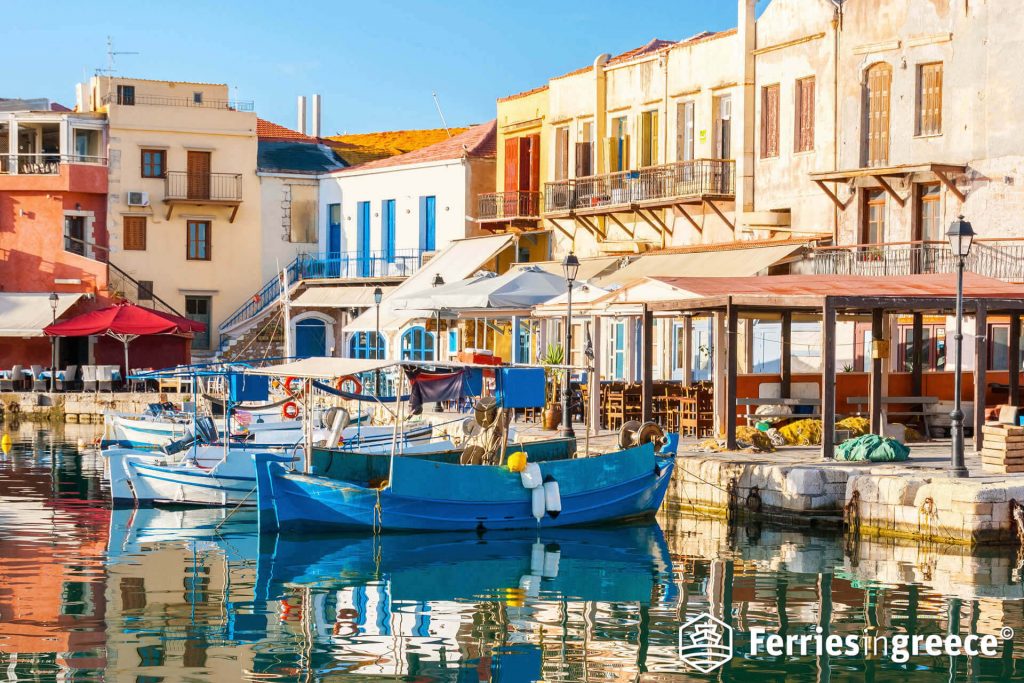
Chania’s old quarters and Venetian harbour deserve several hours. From central Crete, combine the city with Lake Kournas or Rethymno only when you accept a full day and set clear priorities.
Travel into the mountains
The Lassithi Plateau offers villages, cultivated landscapes, Kera Monastery, Krasi and the Cave of Psychro. The cave visit involves an uphill approach and steps, so check current access before setting out.
Taste Crete through real producers
Olive oil, wine, cheese, honey, herbs, rusks and seasonal cooking make more sense when connected with the people and landscape that produce them. Reserve a winery, estate, workshop or meal rather than assuming every venue accepts unscheduled groups.
Plan by region
From Heraklion: Knossos, the museum, Archanes, wine country or the south-central sites
From Hersonissos or Malia: Lassithi, Knossos or East Crete
From Elounda or Agios Nikolaos: Spinalonga, Kritsa and Mirabello Bay
From Rethymno: the old town, Arkadi, Eleutherna, Margarites or Chania
From Chania: the old town, western landscapes and regional day trips
Frequently asked questions
How many days do I need to explore Crete?
A week gives a useful introduction to one or two regions. Seeing the whole island well requires more time or more than one base.
### What is the easiest way to explore different parts of Crete?
Crete is a large island, and many of its archaeological sites, villages, coastal areas and attractions are spread across different regions. For visitors who want to explore beyond their accommodation without planning routes, parking or separate transport for each stop, a private transfer or private tour is the most convenient option.
What is the easiest way to explore different parts of Crete?
With a private vehicle, the itinerary can be planned around your accommodation, available time and the places you actually want to visit. This is particularly useful when combining several destinations in one day or travelling between areas that are not close to each other.
Which attractions require advance planning?
Licensed guides, wineries, workshops, boat schedules, busy archaeological sites and any accessibility requirement should be checked before the day.